High Protein Pescatarian Meals
Highlighted under: Exotic Treats
Discover delicious and nutritious high protein pescatarian meals that will keep you satisfied and energized.
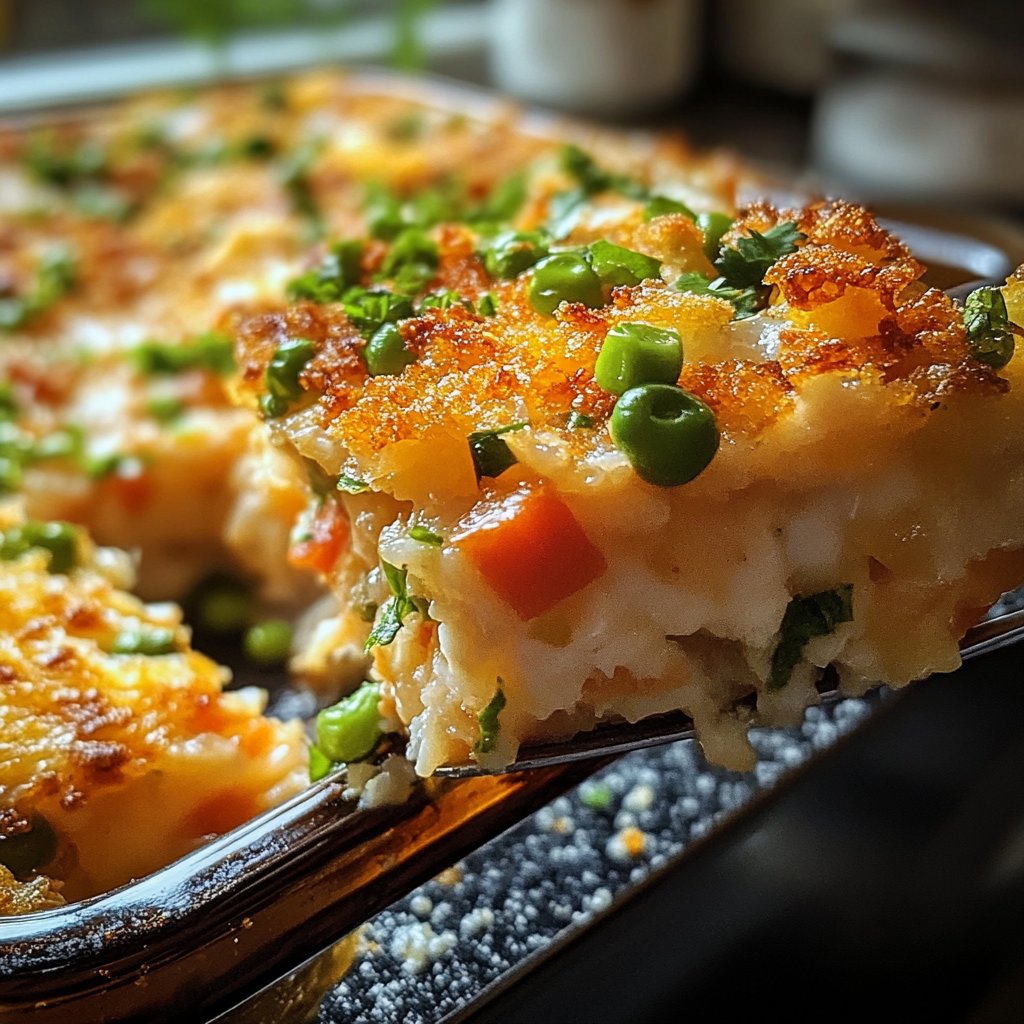
Eating high protein meals as a pescatarian can be both delicious and fulfilling. With a variety of fish, seafood, and plant-based proteins, these meals are designed to be nutritious and satisfying.
Why You Will Love This Recipe
- Packed with omega-3 fatty acids from fresh fish
- High in protein to keep you full and energized
- Versatile ingredients that can be mixed and matched
Nutritional Benefits of Pescatarian Meals
Pescatarian diets are known for their numerous health benefits, largely attributed to the inclusion of fish and seafood. These foods are rich in omega-3 fatty acids, which are essential for heart health, brain function, and reducing inflammation. Incorporating high-protein fish like salmon into your meals not only enhances flavor but also provides a satisfying source of nutrition that can help you maintain a healthy weight.
Quinoa, a key ingredient in this recipe, is a complete protein, meaning it contains all nine essential amino acids. This makes it an excellent choice for those looking to increase their protein intake while following a pescatarian diet. Additionally, quinoa is gluten-free and packed with fiber, vitamins, and minerals, making it a nutritious base for any meal.
Sautéed vegetables add color and texture to your dish, along with a wealth of vitamins and antioxidants. Broccoli is particularly notable for its cancer-fighting properties and high vitamin C content, while bell peppers provide a burst of flavor and are rich in vitamin A. Together, these ingredients create a well-rounded meal that supports overall health.
Cooking Tips for Perfect Salmon
Cooking salmon can be intimidating, but with a few tips, you can achieve perfect results every time. First, make sure your skillet is hot before adding the salmon. This helps to create a nice sear, locking in moisture and flavor. Additionally, avoid moving the fillets around too much while cooking; let them sit to develop that crispy exterior.
Another great tip is to use a meat thermometer to check for doneness. Salmon is best cooked to an internal temperature of 145°F (63°C). If you don't have a thermometer, look for the flesh to become opaque and flake easily with a fork. This ensures that your salmon is cooked through but still juicy.
For added flavor, consider marinating the salmon before cooking. A simple mix of olive oil, garlic, and herbs can elevate the dish significantly. Alternatively, you can experiment with different spices or citrus flavors to find your perfect combination.
Serving Suggestions and Variations
This high protein pescatarian meal is versatile and can be customized to suit your taste preferences. For instance, if you enjoy a bit of heat, consider adding red pepper flakes to the sautéed vegetables or a spicy sauce to the finished dish. You can also switch up the vegetables based on what’s in season or what you have on hand; asparagus, zucchini, or spinach all work beautifully.
If you're looking to make this dish even heartier, you can serve it with a side of roasted sweet potatoes or a fresh garden salad. The lemon dressing not only complements the salmon but can also be drizzled over other proteins or used as a salad dressing, enhancing the flavors of your entire meal.
For meal prep, this dish holds up well in the refrigerator for a couple of days, making it a great option for lunch or dinner throughout the week. Simply reheat in the microwave or enjoy it cold in a salad for a quick and nutritious meal on the go.
Ingredients
For the main dish
- 2 fillets of salmon
- 1 cup of quinoa
- 1 cup of broccoli florets
- 1 bell pepper, diced
- 2 tablespoons olive oil
- 1 teaspoon garlic powder
- Salt and pepper to taste
For the lemon dressing
- Juice of 1 lemon
- 2 tablespoons honey
- 1 tablespoon Dijon mustard
- Salt and pepper to taste
Make sure to use fresh ingredients for the best flavor.
Instructions
Prepare the quinoa
Rinse the quinoa under cold water. In a saucepan, combine quinoa with 2 cups of water and bring to a boil. Reduce heat to low, cover, and simmer for 15 minutes until water is absorbed.
Cook the salmon
In a skillet, heat olive oil over medium heat. Season the salmon fillets with garlic powder, salt, and pepper. Cook for 4-5 minutes on each side until cooked through.
Sauté the vegetables
In the same skillet, add the diced bell pepper and broccoli florets. Sauté for 5-7 minutes until tender.
Make the dressing
In a small bowl, whisk together lemon juice, honey, Dijon mustard, salt, and pepper until well combined.
Assemble the dish
Serve the cooked quinoa topped with salmon, sautéed vegetables, and drizzle with lemon dressing.
Enjoy your healthy and delicious high protein pescatarian meal!
Pro Tips
- Feel free to substitute the vegetables with your favorites or what's in season.
Storing Leftovers
If you have leftovers from your high protein pescatarian meal, storing them properly is crucial to maintaining freshness. Allow the dish to cool completely before transferring it to an airtight container. This helps prevent moisture buildup and keeps your salmon and vegetables tasting their best.
Leftover salmon can be enjoyed cold in salads or sandwiches, or you can reheat it gently in the microwave. To avoid overcooking, heat it in short intervals, checking to ensure it doesn't dry out. The quinoa and vegetables can also be reheated together, making for a quick meal option.
Pairing Ideas
To complement your high protein pescatarian meal, consider pairing it with a glass of white wine, such as Sauvignon Blanc or Chardonnay. These wines enhance the flavors of the fish and lemon dressing, creating a delightful dining experience. If you prefer non-alcoholic options, sparkling water with a slice of lemon or a refreshing iced tea can also be excellent choices.
For a complete meal, serve your salmon and quinoa dish with a light dessert, like a fruit salad or a yogurt parfait. The sweetness of fresh fruits balances the savory flavors of the main dish and provides a satisfying finish to your meal.
Questions About Recipes
→ Can I use frozen fish?
Yes, frozen fish can be used, just ensure it is fully thawed before cooking.
→ Is quinoa gluten-free?
Yes, quinoa is naturally gluten-free.
→ How can I store leftovers?
Store leftovers in an airtight container in the refrigerator for up to 3 days.
→ Can I prepare this dish ahead of time?
Yes, you can prepare the quinoa and vegetables ahead of time and assemble just before serving.
High Protein Pescatarian Meals
Created by: Rhea Bennett
Recipe Type: Exotic Treats
Skill Level: Intermediate
Final Quantity: 4 servings
What You'll Need
For the main dish
- 2 fillets of salmon
- 1 cup of quinoa
- 1 cup of broccoli florets
- 1 bell pepper, diced
- 2 tablespoons olive oil
- 1 teaspoon garlic powder
- Salt and pepper to taste
For the lemon dressing
- Juice of 1 lemon
- 2 tablespoons honey
- 1 tablespoon Dijon mustard
- Salt and pepper to taste
How-To Steps
Rinse the quinoa under cold water. In a saucepan, combine quinoa with 2 cups of water and bring to a boil. Reduce heat to low, cover, and simmer for 15 minutes until water is absorbed.
In a skillet, heat olive oil over medium heat. Season the salmon fillets with garlic powder, salt, and pepper. Cook for 4-5 minutes on each side until cooked through.
In the same skillet, add the diced bell pepper and broccoli florets. Sauté for 5-7 minutes until tender.
In a small bowl, whisk together lemon juice, honey, Dijon mustard, salt, and pepper until well combined.
Serve the cooked quinoa topped with salmon, sautéed vegetables, and drizzle with lemon dressing.
Extra Tips
- Feel free to substitute the vegetables with your favorites or what's in season.
Nutritional Breakdown (Per Serving)
- Calories: 450 kcal
- Total Fat: 20g
- Saturated Fat: 3g
- Cholesterol: 75mg
- Sodium: 150mg
- Total Carbohydrates: 45g
- Dietary Fiber: 6g
- Sugars: 5g
- Protein: 30g