Chicken Run Ideas With Attached Covered Run
Highlighted under: Heartwarming Treats
I've always been fascinated by the idea of creating a safe and enjoyable environment for my chickens, so I decided to explore some creative solutions for a covered run. After researching various designs and functions, I found that an attached covered run not only maximizes space but also protects the chickens from predators and harsh weather. This approach allowed me to enhance the living conditions for my flock while keeping them safe. I'm excited to share these innovative ideas with you, which might inspire you to build your own chicken paradise!
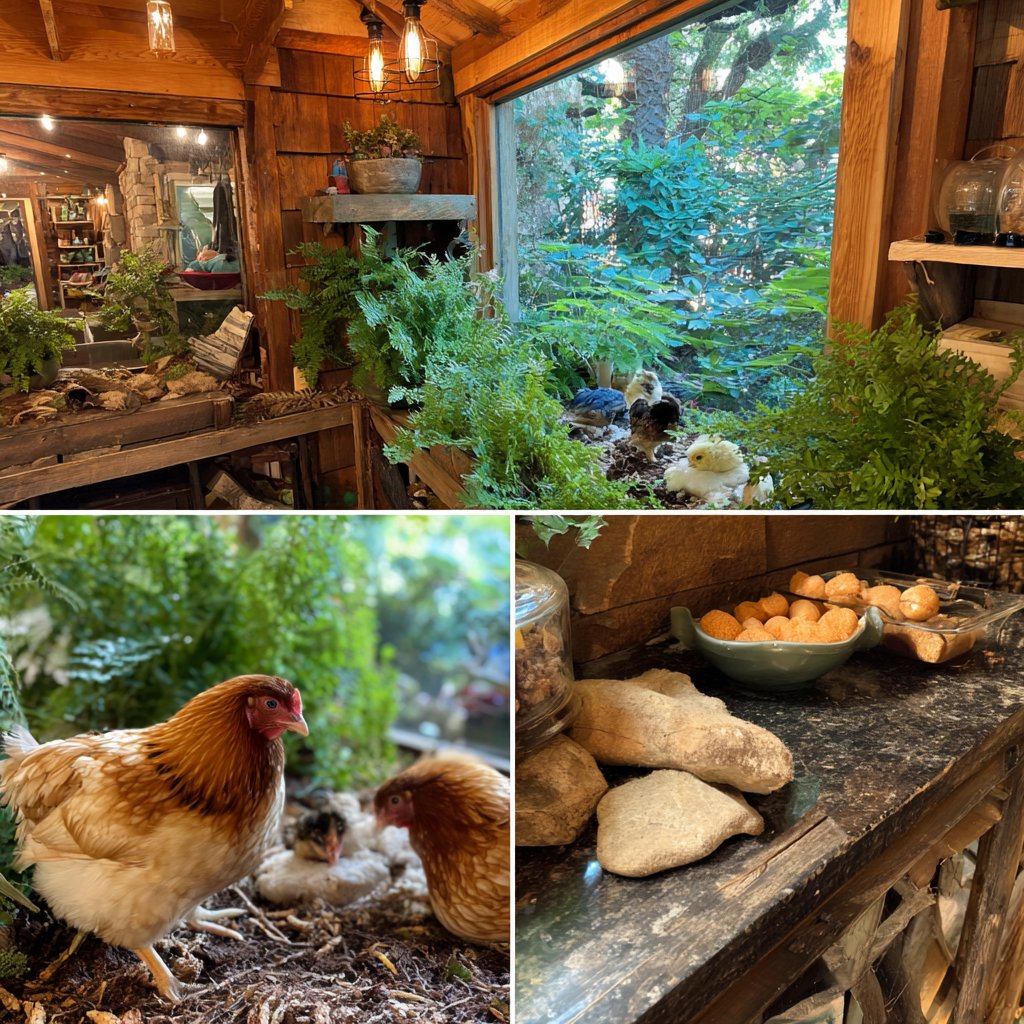
When I built my first chicken coop, I quickly realized that a covered run would be essential for my girls to roam safely outside. After countless hours of design brainstorming, I settled on a versatile design that seamlessly attached to the coop. Its modular format meant I could adjust the dimensions based on my yard's layout, all while ensuring maximum protection from potential hazards.
One of my best tips is to incorporate netting that spans the top of the run. Not only does this keep the chickens secure from aerial predators, but it also allows sunlight to filter through, promoting a healthy environment. Seeing my chickens thrive in this carefully constructed haven is incredibly rewarding!
Why You'll Love This Idea
- Creates a safe environment for your chickens to roam and forage
- Maximizes outdoor space while protecting from predators
- Encourages natural behaviors and promotes chicken health
Designing Your Covered Run
When planning your attached covered run, consider the layout of your yard and how much sunlight your chickens will receive. Chickens thrive in environments where they can bask in sunlight, so positioning the run accordingly can enhance their overall wellbeing. A run that attaches directly to your coop will streamline access for feeding and cleaning, and also minimize the stress on your flock by allowing them to have a familiar route between their shelter and outdoor space.
Using materials like sturdy fencing, netting, or even repurposed wood can not only save costs but also provide a unique aesthetic. Ensure the structure is well-supported to withstand wind and rain. I recommend a height of at least 6 feet to give you ample space to enter and clean the run without having to crouch down, which can make maintaining the area much more comfortable.
Ensuring Safety and Comfort
One of my top priorities in building a covered run is predator protection. Use heavy-duty netting or chicken wire reinforced with wooden frames to ensure your chickens are safely contained. Look out for common predators like raccoons and hawks, and make sure your run is free from any gaps or weak points where they could infiltrate. Regularly inspect the structure for wear and tear, especially after storms or extreme weather events.
Ventilation is vital for your chickens’ health, even in a covered run. Ensure there are openings that can allow fresh air circulation while still keeping predators at bay. Installing shaded areas with tarps or natural foliage can also help during hot summer days. I often find that placing shallow water containers in shaded spots encourages the chickens to stay hydrated and comfortable.
Enhancing Chicken Enrichment
To promote natural foraging behaviors, incorporate elements like dust baths with a mix of sand and diatomaceous earth, as well as perches or platforms at varying heights. This not only keeps chickens physically active but also mentally stimulated. Rotate new items in every week or so to keep their environment fresh and interesting. I’ve found that hanging leafy greens or vegetable scraps encourages them to engage with their surroundings more playfully.
Adding containers filled with soil or different grains can also serve as a great enrichment tool. Chickens love to scratch and peck, and by introducing various textures and flavors to their run, you keep them engaged. Just ensure that all items you introduce are safe for them, avoiding anything toxic that could harm your flock.
Pro Tips
- Consider using recycled materials for construction to make the project eco-friendly and budget-friendly. Regularly check the integrity of the run to ensure your chickens remain safe.
Maintaining Your Covered Run
Regular maintenance is crucial for the longevity of your covered run. Ensure that the flooring is properly cleaned to prevent disease buildup, which can be done through regular removal of droppings and leftover food. Installing a wooden or gravel base can help with drainage and reduce mud during rainy periods. I recommend a thorough cleaning at least once a month, along with a deep clean every season to ensure your chickens remain healthy.
Check for potential hazards regularly, like rusted metal, loose boards, or protruding nails. Conducting inspections every few weeks not only ensures the safety of your chickens but also extends the life of your materials. If you notice any wear, address it promptly to prevent accidents.
Winter Considerations
In winter, insulation is key to keeping your chickens warm and active. Consider covering parts of the run with heavy-duty plastic sheeting or tarps to block harsh winds while still allowing light in. You can also lay straw on the ground to provide insulation against the cold. If temperatures drop significantly, I recommend adding a heated water source to prevent freezing, ensuring your chickens stay hydrated even in chilly conditions.
During snowy conditions, check the roof of your run regularly. Snow accumulation can lead to structural damage if it’s too heavy, so gently remove snow to protect the integrity of the design. A flat roof allows for accumulation, while a sloped design can help with snow runoff.
Ready to Get Started?
Building a covered run for your chickens can be an enjoyable and rewarding project that significantly enhances their living conditions. Start by sketching out your ideas and functional requirements, ensuring that safety, comfort, and playfulness are in mind as you draft your design. Gathering materials in advance can help streamline the construction process.
Finally, don’t forget to personalize your run by adding decorative touches such as flowers or fun signage that fits your homestead’s theme. Your chickens will appreciate the effort, and the added charm can make your backyard a welcoming sanctuary—both for you and your flock!
Questions About Recipes
→ What materials do I need to build an attached covered run?
You'll need wood for the framework, hardware cloth for the sides, netting or a solid cover for the top, and hinges for doors.
→ How do I protect the run from predators?
Ensure the walls are dug into the ground and use hardware cloth rather than chicken wire, as it is more durable and provides better security.
→ Can I use a tarp for weather protection?
Yes, a tarp can be used for temporary coverage, but be sure to securely fasten it to prevent it from blowing away during storms.
→ How much space do chickens need in a run?
It's generally recommended to have at least 10 square feet per chicken in the run to allow them enough space to roam and engage in natural behaviors.
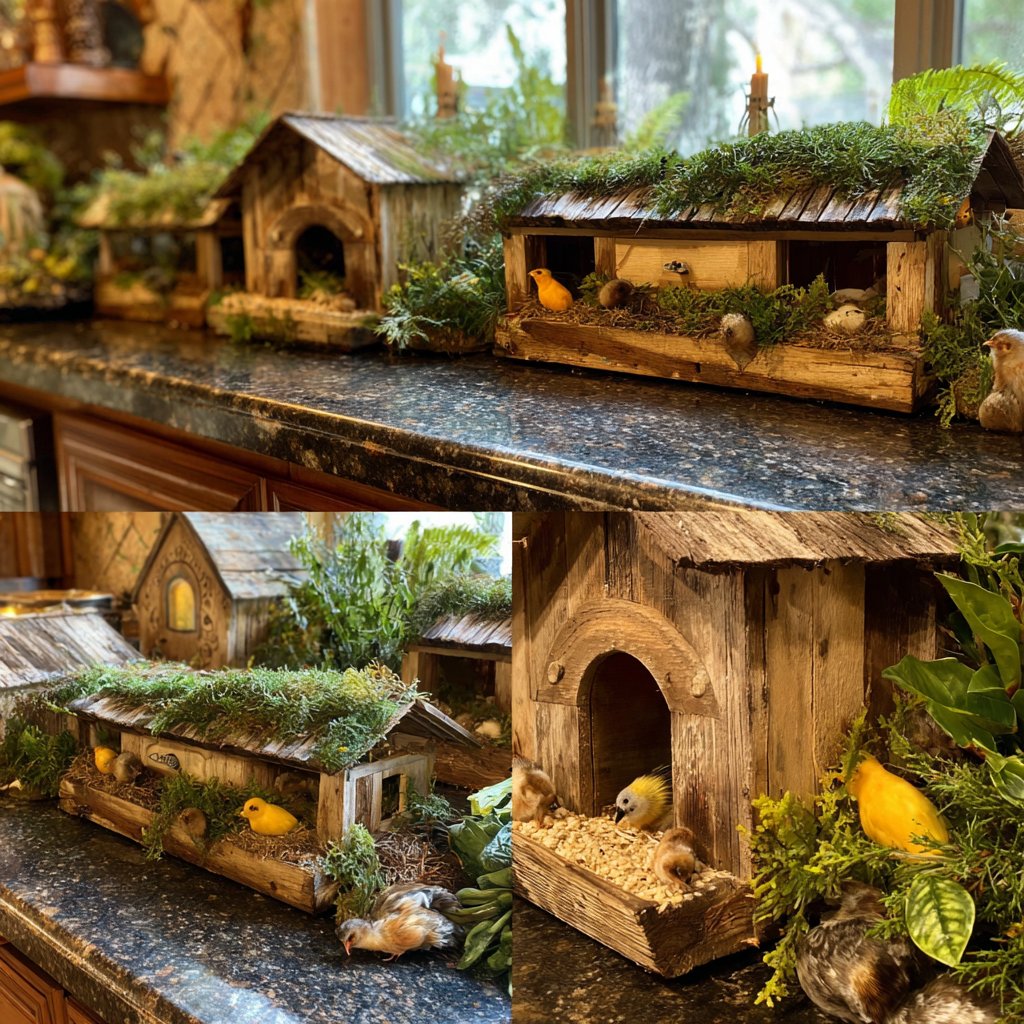
Chicken Run Ideas With Attached Covered Run
Created by: Rhea Bennett
Recipe Type: Heartwarming Treats
Skill Level: Intermediate
Final Quantity: 1 structure
Extra Tips
- Consider using recycled materials for construction to make the project eco-friendly and budget-friendly. Regularly check the integrity of the run to ensure your chickens remain safe.