Chicken Run Ideas For Small Backyards
Highlighted under: Heartwarming Treats
I love creating cozy and functional spaces for my backyard chickens, especially when I have limited space. Finding the right chicken run ideas can enhance their living conditions while maximizing my enjoyment of the garden. I've learned that a well-designed run not only keeps my chickens safe but also allows them to exhibit their natural behaviors. Whether you have a tiny yard or just want to make the most of a small area, these inventive ideas will help you establish a perfect chicken haven that’s both practical and appealing.
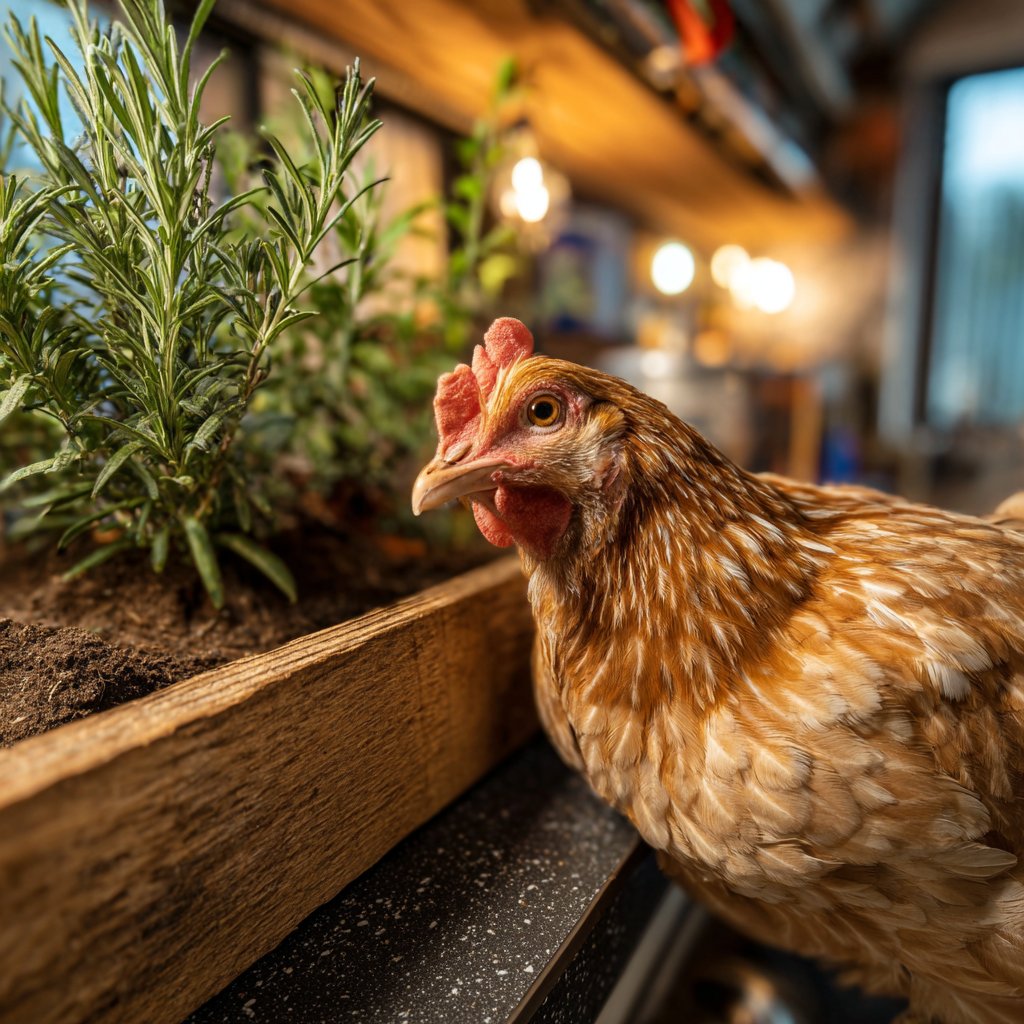
When I started keeping chickens, I quickly realized how important it was to optimize space in my small backyard. I experimented with vertical structures and movable runs that allow my flock to enjoy fresh ground without overgrazing a single spot. This dynamic approach keeps my chickens happy and healthy while only taking up minimal yard space.
One of my favorite projects was constructing a compact chicken coop with an attached run that utilizes netting to keep predators at bay. The added feature of a simple roof helped protect my smart little birds from sun and rain, making it a cozy retreat for them during inclement weather.
Why You'll Love These Chicken Run Ideas
- Creative solutions to maximize small spaces
- Variety of designs that fit any style
- Enhances your backyard's aesthetics while benefiting your flock
Design Considerations for Small Spaces
When designing a chicken run for a small backyard, it’s essential to think vertically. Utilizing vertical space can significantly enhance your run's functionality. Consider adding shelves or vertical perches where chickens can roost or observe their surroundings. This not only gives them more space to explore but also enriches their environment, making for happier and healthier birds.
Another key factor is ensuring that your run has adequate ventilation. Chickens need fresh air to thrive, especially in warmer weather. Incorporate mesh panels at the top or sides of the run to allow airflow while still keeping predators out. This can help reduce the build-up of ammonia from droppings, ensuring a healthier space for your flock.
Safety and Security Features
Safety is paramount when constructing a chicken run. Invest in sturdy materials such as galvanized chicken wire or hardware cloth, which are more durable and resistant to tampering by potential predators. Make sure the fencing goes at least a foot underground to prevent digging; a simple trick is to lay concrete blocks or pavers along the base for an extra layer of security.
Adding a locking mechanism to your chicken run door is another strong safeguard. Choose a latch that is not only secure but easy for you to handle. Regularly inspect the run for any signs of wear or weakness as weather conditions can affect the integrity of your build over time.
Ingredients
Materials Needed
- Chicken wire or hardware cloth
- Wooden posts and beams
- Concrete blocks or pavers
- Tarp or roofing material
- Weatherproof paint/stain
Instructions
Plan Your Space
Take measurements of your backyard to determine how much room you can allocate to the chicken run. Consider both width and height to ensure a comfortable experience for your chickens.
Choose a Design
Select a chicken run design that best fits your needs. Some popular options for small backyards include vertical runs, portable chicken tractors, or even rooftop coops.
Gather Materials
Collect your chosen materials for construction. Make sure to have sturdy fencing and weather-proof materials to ensure the safety and comfort of your chickens.
Construct the Run
Using wooden posts as the framework, attach chicken wire securely around the structure. Ensure that it's deep enough into the ground to deter digging predators.
Add some Shade
Install a tarp or roofing material on one side of the run to create shaded areas where chickens can escape the sun and stay cool.
Personalize your Run
Incorporate unique features like nesting boxes, perches, and along the walls or ceiling to keep their environment enriching.
Introduce your Chickens
Introduce your chickens to the new run gradually to help them acclimate. They’ll appreciate the new space to roam and explore!
Pro Tips
- Always consider the local climate and potential predators when designing your chicken run. Regularly clean the area to maintain hygiene, and make adjustments as necessary based on your chickens' behavior.
Enhancing Your Chickens' Environment
Incorporating natural elements into your chicken run can further stimulate your chickens' natural behaviors. Adding plants or shrubs within the enclosure (ensure they’re non-toxic) can provide shade and foraging opportunities. Consider using herbs like thyme or mint as they can deter pests and enhance the ambiance.
Providing entertainment in the form of pecking blocks or hanging greens is another effective way to keep your flock engaged. These activities mimic natural foraging and can prevent boredom, ultimately helping to reduce stress levels among the chickens.
Maintenance Tips
Routine maintenance of your chicken run can prevent larger issues down the line. Regularly clean out the run to remove droppings and uneaten food, as this can promote a healthier environment and reduce odors. A good practice is to do this at least once a week, ensuring that you’re removing any waste before it cakes and becomes difficult to manage.
Keep an eye on your fencing and structural integrity as well. Seasonal changes can cause wear. Checking for loose wire or gaps every month helps ensure that your run remains secure against predators. If you find any issues, address them immediately to keep your chickens safe.
Questions About Recipes
→ What size should my chicken run be?
For every chicken, allocate about 4 square feet in the run. If possible, the more space, the better!
→ Can I use old materials to build a run?
Absolutely! Just ensure that any materials used are safe for chickens and sturdy enough to withstand elements.
→ How do I protect my chickens from predators?
Use strong fencing up to 6 feet tall and bury chicken wire 12 inches underground to deter digging animals.
→ How often should I clean the chicken run?
It's best to clean the run weekly to prevent the buildup of waste and ensure a healthy environment for your chickens.
Chicken Run Ideas For Small Backyards
What You'll Need
Materials Needed
- Chicken wire or hardware cloth
- Wooden posts and beams
- Concrete blocks or pavers
- Tarp or roofing material
- Weatherproof paint/stain
How-To Steps
Take measurements of your backyard to determine how much room you can allocate to the chicken run. Consider both width and height to ensure a comfortable experience for your chickens.
Select a chicken run design that best fits your needs. Some popular options for small backyards include vertical runs, portable chicken tractors, or even rooftop coops.
Collect your chosen materials for construction. Make sure to have sturdy fencing and weather-proof materials to ensure the safety and comfort of your chickens.
Using wooden posts as the framework, attach chicken wire securely around the structure. Ensure that it's deep enough into the ground to deter digging predators.
Install a tarp or roofing material on one side of the run to create shaded areas where chickens can escape the sun and stay cool.
Incorporate unique features like nesting boxes, perches, and along the walls or ceiling to keep their environment enriching.
Introduce your chickens to the new run gradually to help them acclimate. They’ll appreciate the new space to roam and explore!
Extra Tips
- Always consider the local climate and potential predators when designing your chicken run. Regularly clean the area to maintain hygiene, and make adjustments as necessary based on your chickens' behavior.