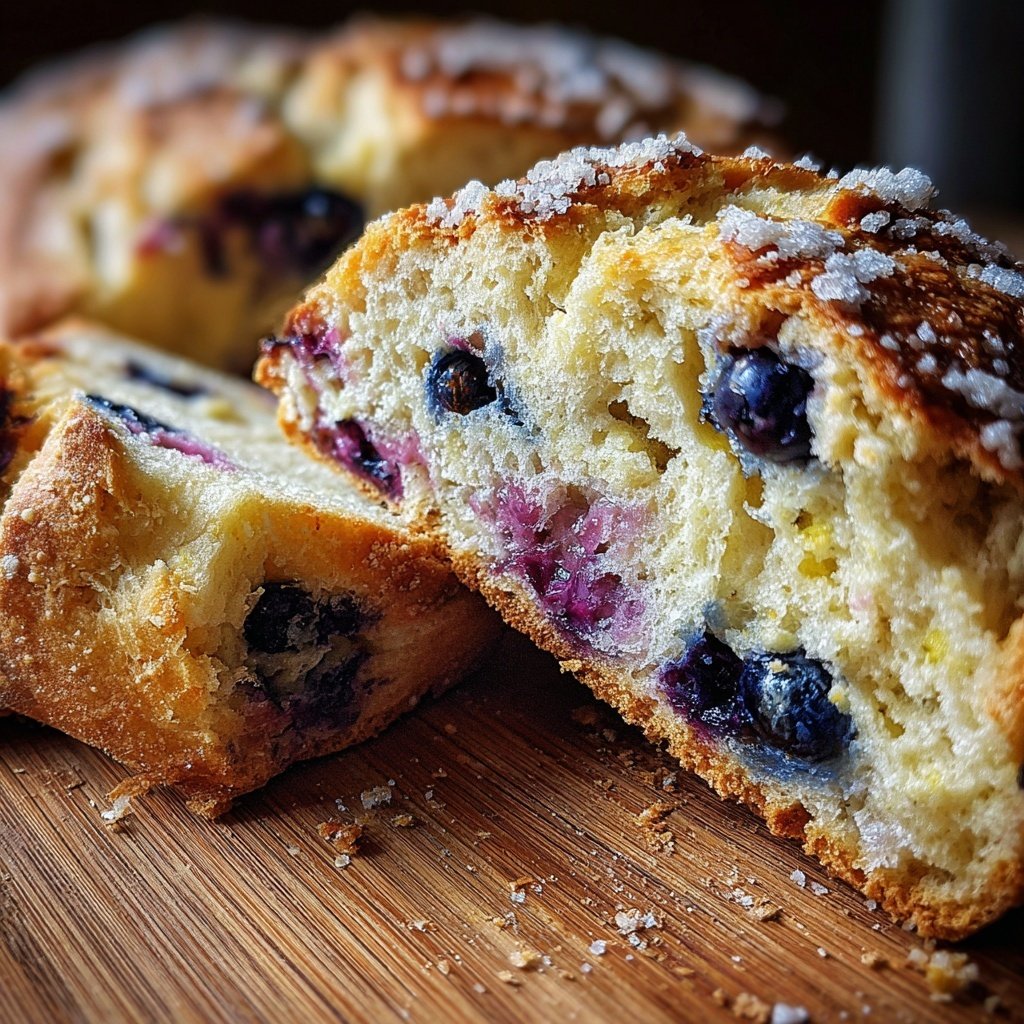
Blueberry Lemon Sourdough Bread
Blueberry Lemon Sourdough Bread
The Importance of Sourdough Starter
A strong and healthy sourdough starter is crucial for the success of this Blueberry Lemon Sourdough Bread. The wild yeast and bacteria in the starter not only help with leavening but also contribute to the bread's flavor profile. Make sure your starter is active and bubbly before using it in this recipe to achieve the best rise and texture. If you notice your starter has been sluggish, give it a couple of feedings over a few days to rejuvenate it before baking.
When it comes to incorporating your sourdough starter into the dough, ensure that it is at room temperature. A cold starter can lead to uneven fermentation and a denser loaf. Ideally, I like to use my starter about 4-6 hours after feeding, when it has doubled in size and is full of bubbles. This timing helps to develop a rich, tangy flavor that pairs beautifully with the bright notes of lemon and the sweetness of blueberries.
Blueberry Selection and Storage
Selecting the right blueberries for your bread is integral to achieving the ideal flavor and texture. Opt for fresh, plump blueberries that burst confidently when squeezed; frozen blueberries can be a substitute, but they might release more moisture into the dough, requiring adjustments in flour. If using frozen berries, do not thaw them beforehand, as this can make the dough overly wet and difficult to manage. Instead, fold them in straight from the freezer during the mixing stage to retain their shape.
If you want to make the bread in advance, consider preparing the blueberries by washing and drying them thoroughly. Store them in a single layer on a baking sheet in the freezer for a short time before transferring them to an airtight bag. This prevents them from clumping together and allows you to measure out the exact amount needed for your recipe in the future without compromising on quality.
Troubleshooting Common Issues
When baking this Blueberry Lemon Sourdough Bread, pay close attention to your dough’s hydration. A wetter dough can be harder to shape and may lead to flat loaves. If you find that your dough is too sticky, adding a bit more flour during the mixing phase can help achieve the right consistency. Keep in mind, however, that too much flour can lead to a dry bread, so add slowly and in small increments until you reach your desired texture.
Another common issue is the distribution of blueberries throughout the dough. To ensure an even spread, consider coating the blueberries in a small amount of flour before folding them into the dough. This helps prevent them from sinking to the bottom while baking. If you notice that your bread tends to be overly dense, it could be due to insufficient folding or shaping techniques; make sure to give the dough ample time to develop strength during these stages.
Serving Suggestions
This Blueberry Lemon Sourdough Bread is fantastic as a breakfast treat or a delightful addition to your brunch table. Consider slicing it and toasting it lightly before spreading with a bit of butter or cream cheese. The tangy lemon notes complemented by sweet blueberries make for a standout flavor combination that is sure to impress your guests.
For a fun twist, why not turn this bread into a French toast? Simply slice the bread and dip it in a mixture of eggs, milk, and vanilla before cooking it in a hot skillet. Serve with maple syrup, fresh lemon zest, or additional blueberries for an indulgent breakfast.
Storage and Freshness Tips
To keep your Blueberry Lemon Sourdough Bread fresh for longer, store it at room temperature in a bread box or wrapped in a clean kitchen towel. This helps maintain moisture without making the crust soggy. Generally, it’ll stay at its best for two to three days; longer storage might result in a staler texture.
If you want to keep the bread for an extended period, consider freezing it. Slice the loaf and wrap each piece tightly in plastic wrap, then place them in an airtight container or zip-top bag. When you're ready to enjoy, simply thaw at room temperature or toast slices directly from the freezer for a convenient treat.
Variations to Try
While the blueberry and lemon combination is delightful, feel free to experiment with other fruits and flavors in this recipe. Raspberries or blackberries can be substituted for blueberries, adding a slightly different acidity that pairs well with the lemon. Additionally, consider folding in a handful of chopped nuts or seeds for added texture and flavor complexity.
For an extra burst of lemon, try adding a tablespoon of lemon zest along with the blueberries. This enhancement deepens the citrus flavor and brightens the overall taste of the bread without overwhelming it. Adjust the sugar content slightly if you prefer a tarter loaf, allowing the flavors to balance perfectly.